
October 8, 2026, 12:28
The Part-Time Voice: Why Brands Are Putting Creators on Retainer
Sam Chambers
 Add Webfluential as a preferred source
The smartest brands on social aren't just paying creators to post about them. They're asking creators to become them, a few days a week.
For most of the last decade, influencer marketing ran on a simple loop: brief a creator, approve a post, pay an invoice, repeat. It works, but it rents attention rather than building anything. Each campaign starts from zero, and the brand's own channels stay stiff and corporate.
A different model has been quietly taking hold. Brands are bringing mid-sized creators in on a part-time, retainer or residency basis to be the voice and face of their own accounts. A working creator who knows the platform, the audience, and keeps building their own channel while they help build yours.

What a part-time brand voice actually looks like
The in-house creator sits somewhere between a social media manager and an influencer. A social media manager usually works behind the scenes on strategy and scheduling. An in-house creator is the person audiences actually see and hear on the brand's account: on camera, in the comments, setting the tone.
The part-time version of the role usually takes one of three shapes:
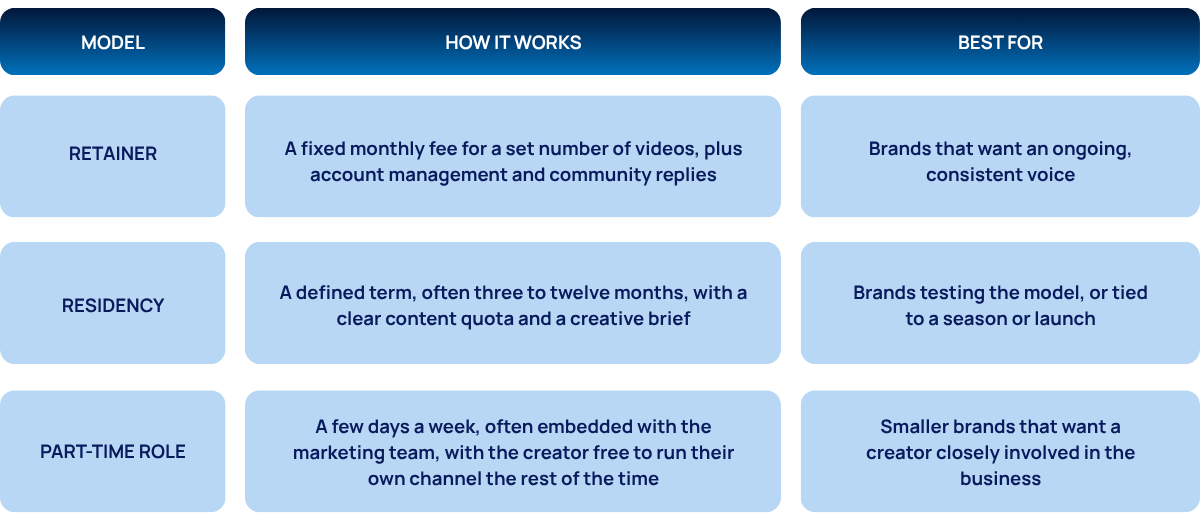
A few days a week, often embedded with the marketing team, with the creator free to run their own channel the rest of the time
Smaller brands that want a creator closely involved in the business
What all three share is that the creator doesn't hand over their independence. They keep their own audience, their own income streams and their own identity, and the brand gets someone who speaks the platform's language natively.
Who's already doing it
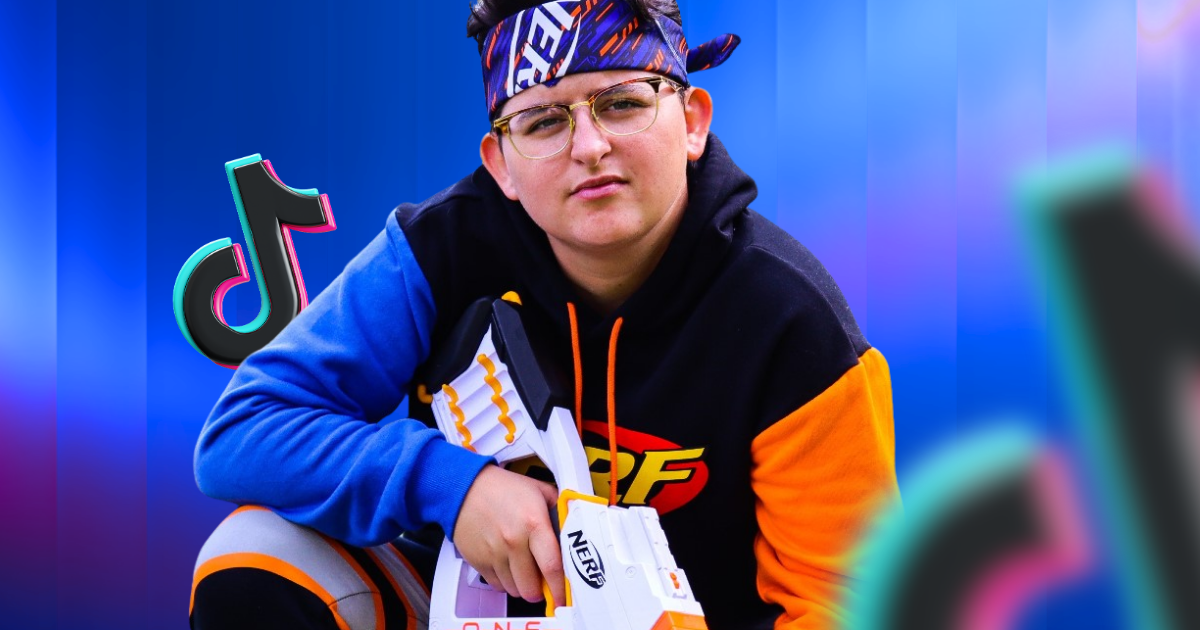
Nerf and Sophie Lightning: the trial run that stuck
Sophie Jamison, known online as Sophie Lightning, had been making Nerf videos since high school, and Hasbro had been sending her free products for years. In 2021 Nerf put out an open call for a "Chief TikTok Officer". More than 1,000 people applied, and Jamison, then a business student at the University of Southern Maine with 1.8 million TikTok followers, got the job.
It was set up as a trial: three months at $10,000 a month to create content, help shape strategy and set the tone of Nerf's official TikTok account, which she fitted around her studies. The trial worked. She stayed in the role for almost two years, then took the same title at kitchenware brand Made By Gather.
Example videos: one, two, three
The lesson: a short, paid trial with a clear remit lets both sides test the fit before committing. And a creator who's already a superfan of your product brings credibility no brief can manufacture.
Seoul Tonic and Cesy: a customer who grew with the brand
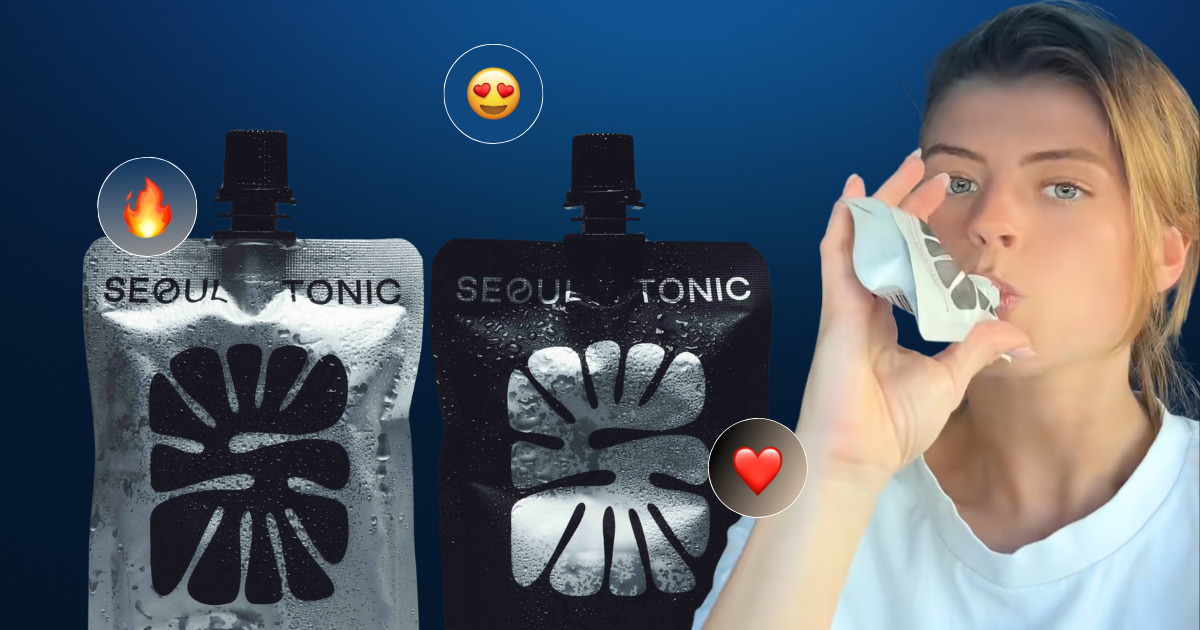
Australian functional drinks brand Seoul Tonic took a similar route. Founder Sophie Hood brought in Cesy, a long-time customer who was still in the early stages of growing her own account, to take over as the face of the brand's socials.
The setup freed Hood to build a separate founder account where she can show up as herself, while Cesy carries the brand voice. Two accounts, two personalities, one brand.
Example videos: one, two, three
The lesson: a creator voice doesn't replace the founder's. It frees the founder to be human on their own terms.
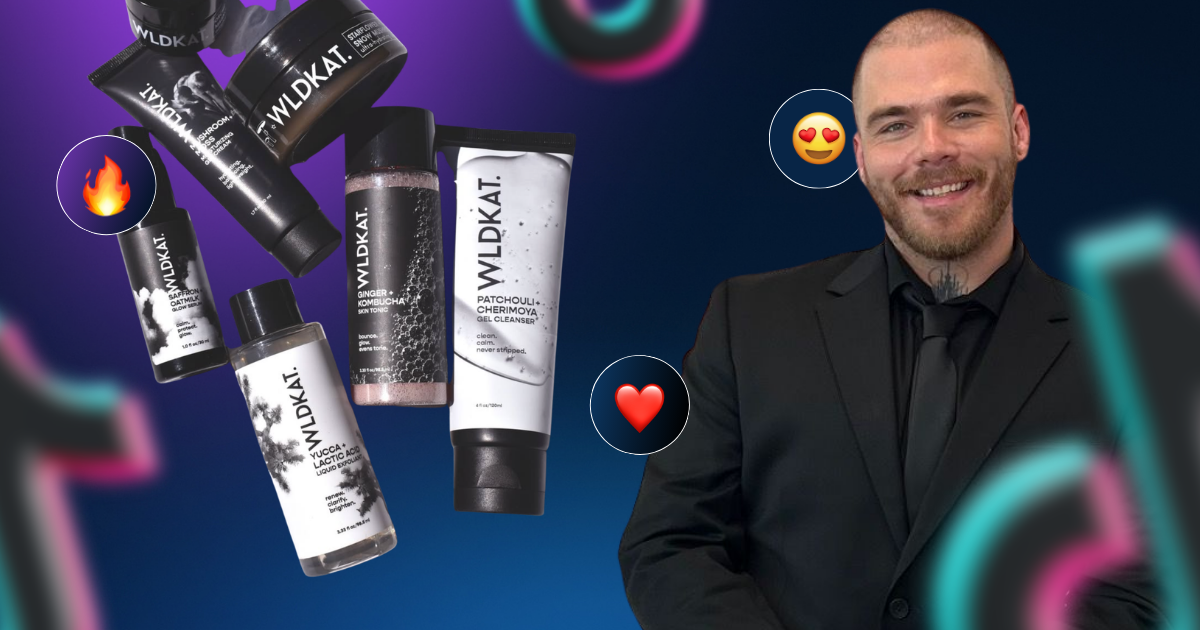
Wldkat and Michael Dion: the review that became a job
US skincare brand Wldkat found its voice the most organic way possible. Founder Amy Zuzunegui came across a TikTok review of her products by Michael Dion (@michaeldoesmakeup), a creator with around 37,600 followers. The two started talking, met up in LA, and Zuzunegui was struck by how well he understood TikTok's trends and mechanics.
Dion then started running Wldkat's TikTok part-time. He came up with the ideas and filmed them himself, sometimes on camera, sometimes not. He also introduced the founder to other creators who could partner with the brand, so Wldkat got his network as well as his content instincts.
The lesson: your best brand voice may already be talking about you. Mid-sized creators who review your product unprompted are pre-qualified on both fit and enthusiasm.

Why part-time beats full-time
There's a paradox at the heart of the in-house creator trend. The creators brands most want, the ones with real followings and proven instincts, are the least likely to give up their independence for a single employer. A part-time or retainer arrangement resolves that tension.
For brands
- Native fluency without the learning curve. A working creator already knows the formats, the trends and the timing. You're buying instinct that a corporate team takes years to develop.
- A face, not a logo. Audiences relate to people. A consistent human voice on your account builds familiarity in a way rotating campaign creators can't.
- A borrowed audience on day one. When a creator joins your brand, their own followers come along to see what they're up to.
- Lower cost and lower risk. A retainer or residency costs a fraction of a full-time salary, and a fixed term makes it easy to test, measure and either extend or walk away.
- Their content stays fresh. Because the creator keeps making their own content, they stay plugged into the platform. A full-time employee can drift into making "brand content" that looks like brand content.
For mid-sized creators
Most creators aren't the outliers who get the headlines. They're the middle class of the internet: skilled, entrepreneurial, and living with income that swings from month to month. One-off brand deals can mean a great month followed by a quiet one.
A retainer changes that. As creator-recruitment founder JT Barnett put it, a creator who splits their time between their own influencer work and a brand's content team ends up with two income streams, and the steady one makes the unpredictable one easier to live with.
They also keep what makes them valuable in the first place: their own channel, their own voice and their own audience.

How to set one up
- Look at who's already talking about you. Start with creators who have reviewed, tagged or recommended your product without being paid. Fit and enthusiasm are already proven.
- Prioritise alignment over audience size. A creator with 20,000 to 100,000 engaged followers who genuinely uses your product will usually outperform a bigger name who doesn't. Look for craft too: can they script, film, edit and talk to camera?
- Choose the structure. A three- to six-month residency is the easiest way to start. A rolling monthly retainer suits brands that already know they want a long-term voice.
- Agree clear deliverables. Spell out videos per month, platforms, community management hours, approval turnaround and how much time they spend on-site or with the team.
- Give them real creative room. The point is their voice. A tight brand guide is fine, but scripting every word turns a creator back into an actor.
- Sort out exclusivity and rights early. Decide which competitors they can't work with, who owns the content and the account, and what happens to it when the arrangement ends.
- Plan for the handover. Creators move on. Document the tone, recurring formats and inside jokes so a successor can pick up the voice, or build the account around formats rather than one personality alone.
- Measure it like a channel, not a campaign. Track follower growth, engagement, saves and shares, and the downstream metrics that matter to you, over months rather than per post.
The bottom line
The old model asked creators to borrow a brand's voice for a single post. The new one asks brands to borrow a creator's voice for the long run, without asking that creator to give up their independence to do it.
For brands, a part-time or retainer creator is a low-risk way to make their own channels feel human. For mid-sized creators, it's a steadier income that rewards the craft they've already built. Done well, both sides get something a one-off campaign can't deliver: a relationship that compounds.
Sources
- Glossy: Brands are hiring TikTok influencers to run their accounts
- Miranda Does Brands: The rise of the in-house creator
- Apartment Therapy: Blueground's Resident TikTok Creator
- Creative Cardiff: Wales Millennium Centre TikTok Creator in Residence
- The Toy Book: Sophie Lightning named Nerf's Chief TikTok Officer
- WGME: USM student uses TikTok fame to get job with Hasbro
- Mediabistro: Q&A with Sophie Jamison
- Paid Partnership: How to hire full-time creators
- Yahoo Creators: Why brands are hiring in-house creators
Join Webfluential and start growing your business
From micro enterprises to Fortune 500 companies, brands from over 130 countries have booked influencers on Webfluential.
Talk to our team