
November 20, 2026, 11:24
Real, or really good: what actually gets watched on Instagram
Sam Chambers
 Add Webfluential as a preferred source
At the turn of the year, Adam Mosseri, the head of Instagram, posted a long essay on Threads about where the platform is heading in 2026. Most of the coverage focused on his warnings about AI. The line that matters more for anyone briefing creators was about how content looks: 'In a world where everything can be perfected, imperfection becomes a signal.'
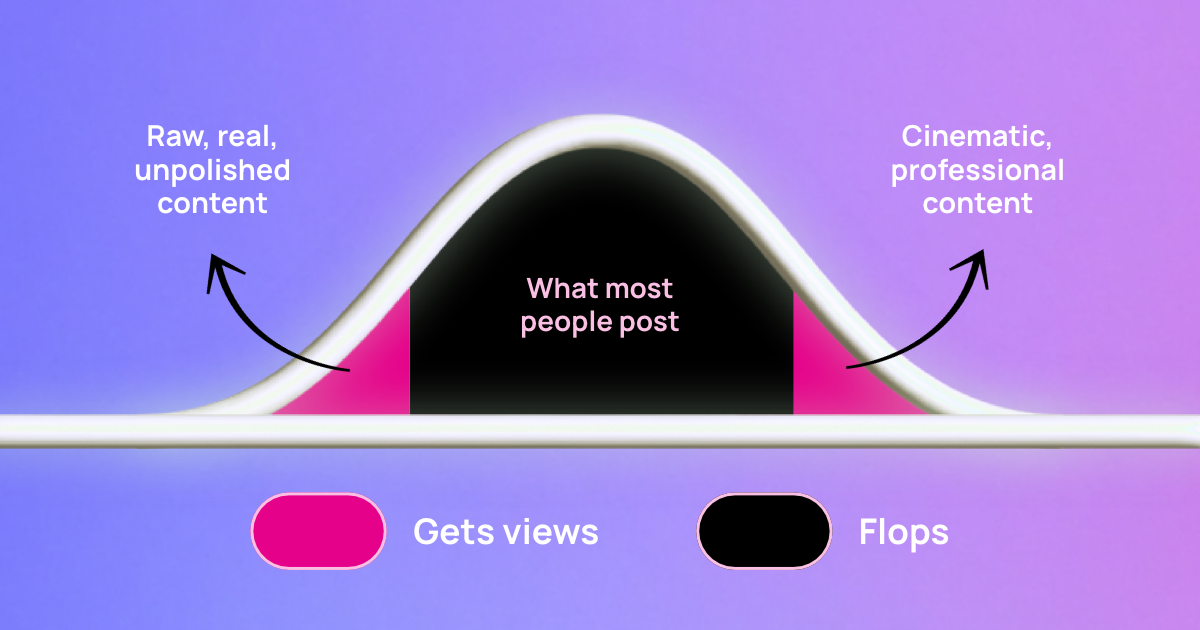
We've been drawing the same idea as a bell curve.
Plot what gets posted on Instagram and most of it bunches in the middle: neat and on-brand. At the left edge sits raw content, shot on a phone by someone talking straight to camera. At the right edge sits cinematic content, shot and edited by someone who knows the craft. The edges get watched. The middle mostly gets scrolled past.
The original graphic comes from Instagram coach Brock Johnson, and it's a rule of thumb. Nobody has published a study that measures 'the middle' as its own category. The evidence that does exist points the same way, though, and the reasons behind it should change how brands brief creators going into 2027.
What the research shows
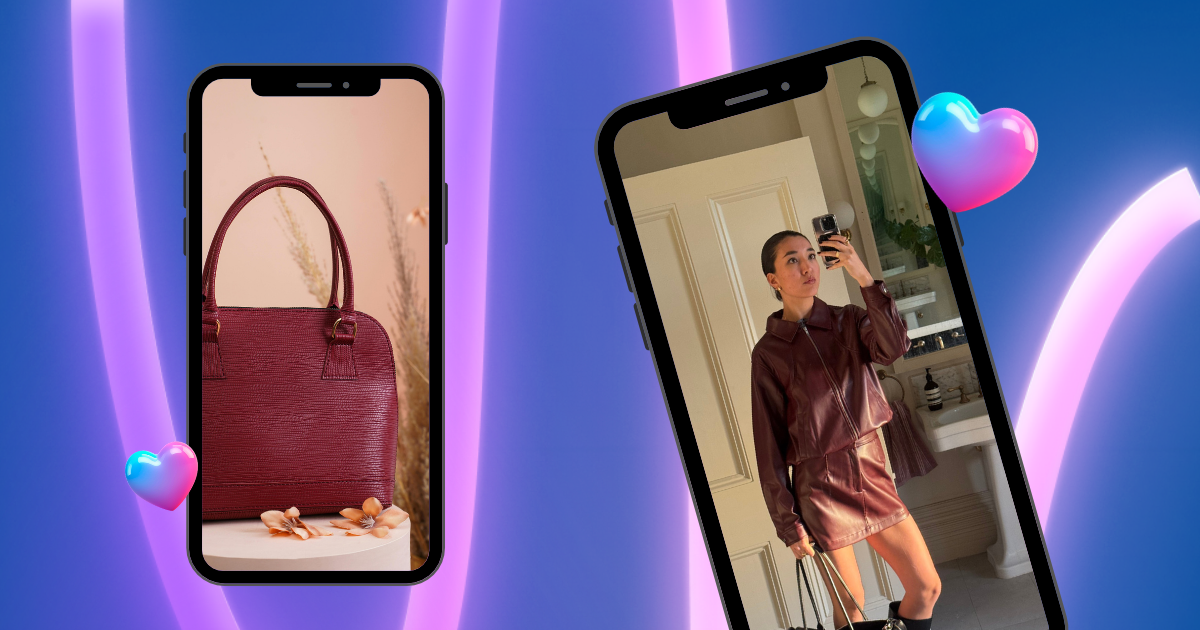
The most cited test of production value on Instagram is Dash Social's study of Reels posted between January and September 2022. It looked at nearly 2,000 videos from 150 brands and sorted each into lo-fi (shot on a phone, barely edited) or hi-fi (professionally produced). Across industries, the lo-fi Reels averaged 40% more views and 30% more reach.
That's strong backing for the left edge of the curve. It says less about the right. The study put every professionally produced video in one bucket, so a forgettable corporate clip and a properly crafted short film count as the same thing. 'Hi-fi' tells you money was spent. Whether the result was worth watching is a different question, and it's the one the bell curve is really about.
Why the middle gets ignored
The first reason is old. Content in the middle looks like an advert. A Kantar study of 31 creator-led campaigns in India, published in July 2025, found viewers watched ads featuring creators for 17.8 seconds on average before skipping, against 7.9 seconds for standard branded content. The study compared creator content with brand content rather than raw with polished, but it shows how quickly people leave once something reads as an advert.
The second reason is new. Polish has become cheap. A well-lit, nicely framed video used to signal effort. AI tools now produce that look in seconds, and audiences have noticed. Billion Dollar Boy's research found that in 2023, 60% of consumers preferred AI-generated creator content to traditional creator content. By 2025 that had fallen to 26%.
Each edge of the curve proves something about how a piece was made. Raw content shows a real person was there. Cinematic content shows a skilled person made it. Middle content shows neither, so the viewer has no reason to stay.
Real people at the raw end
There's a catch, and Mosseri flagged it himself. Raw is a look, and looks can be copied. AI can already generate a shaky clip of someone 'just sharing', and brands can stage one with an actor and a phone. Audiences are getting better at spotting both.
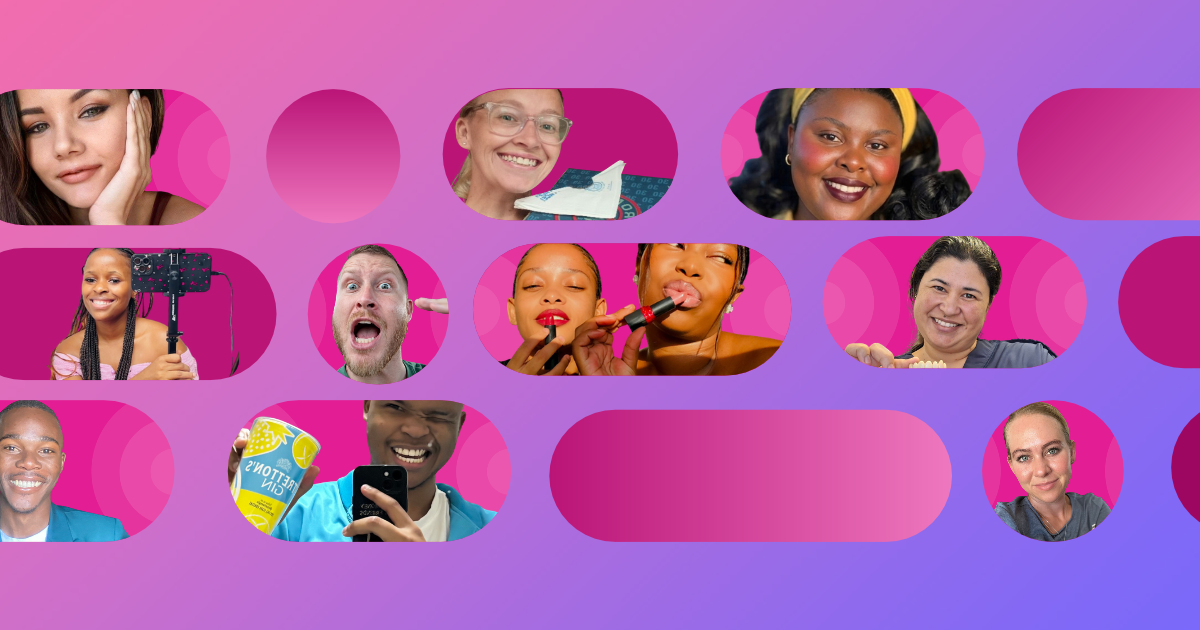
So the raw end only works if the person in the post is who they appear to be. That's what our sister company theSalt is built for. Its community is made up of everyday South Africans rather than professional creators. Members are matched to a brand on details like the bank they use, their mobile network, where they live and the language they speak. They buy the product with their own money and upload proof of purchase. Then they post about it on their own accounts, the way they normally would.
That proof of purchase is what makes the content work. A post from someone with a few hundred followers who actually bought the product has nothing performed about it, and the people who follow an account that size tend to know the person behind it.
It also fits how people buy in South Africa. Instagram checkout isn't available here, so a lot of selling happens across Instagram and WhatsApp instead. That's where a real customer's post earns its keep: it's the kind of thing people screenshot and drop into a group chat.

Craft at the cinematic end
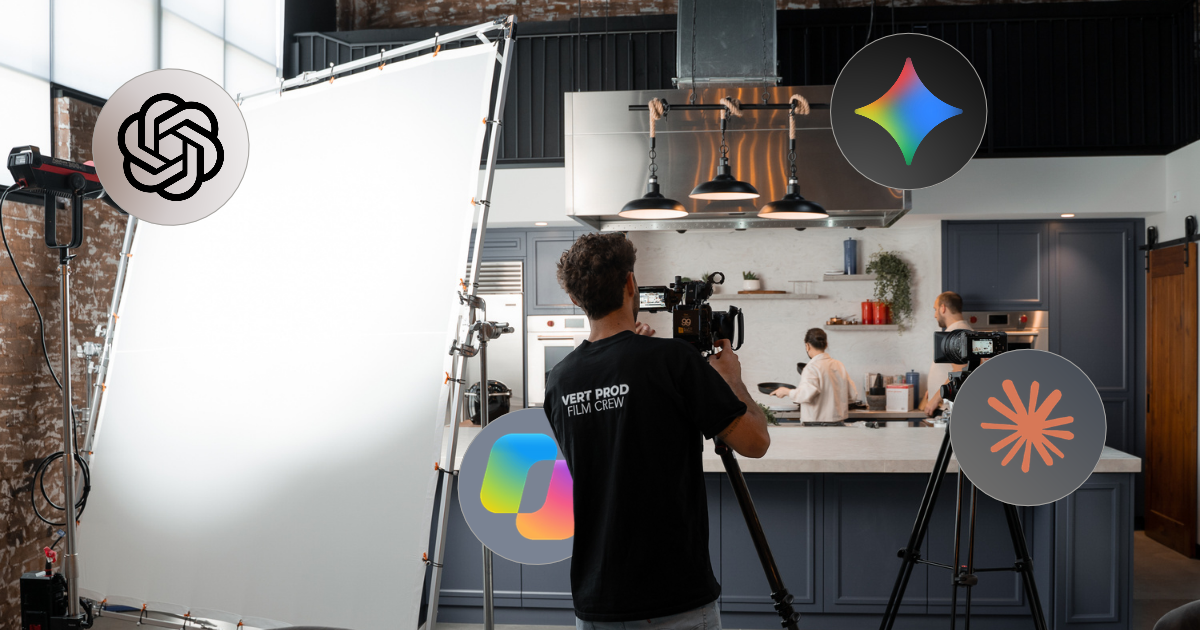
At the other end, budget doesn't qualify a piece of content. The Dash Social figures show plenty of professionally produced video losing to a phone clip. What earns attention is craft the viewer can see, like a hook written for the first second and an edit built for a phone screen instead of a TV. Mosseri's test for creators this year is whether they can make something nobody else could have made, and the cinematic end is where that test is hardest to pass.
That's the side Webfluential handles. Our creators shoot and edit to a professional standard, and every one of them has opted in and been vetted before they're briefed. Briefing matters more here than anywhere, because polished content that misses the brief is slow and expensive to redo. Across 530+ campaigns since 2013, 91% of the content delivered through Webfluential has been approved first time.
Running both ends together
The two ends do different jobs, which is why theSalt and Webfluential work side by side within Creator Collective, our group of creator businesses.
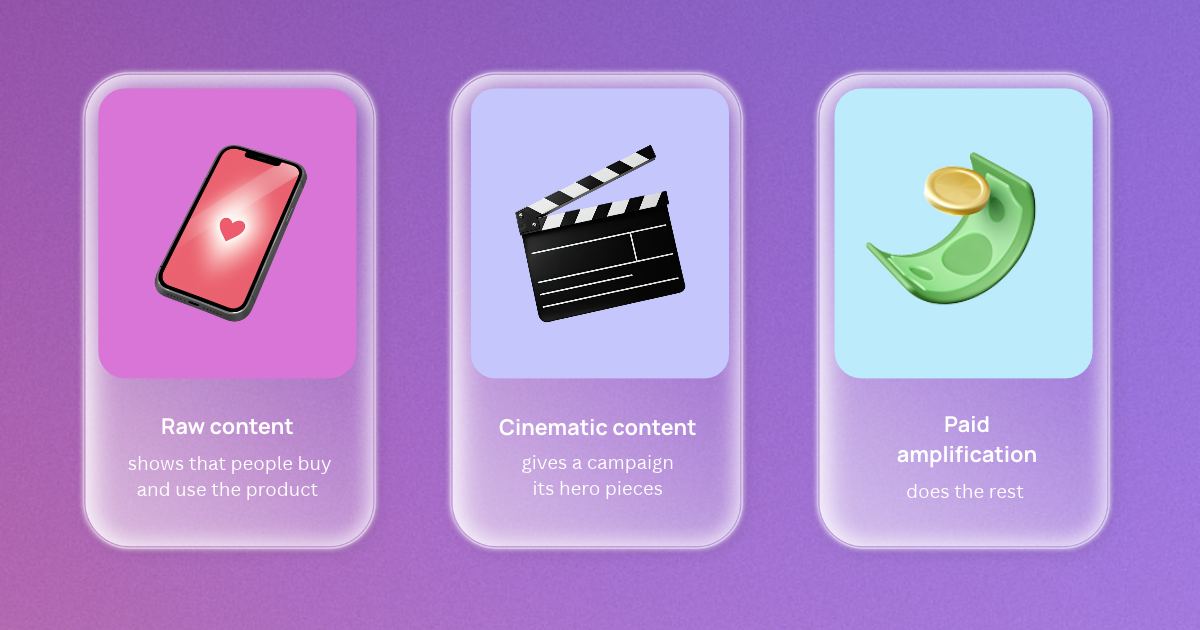
Raw content from dozens of real customers shows the market that people buy and use the product. Cinematic content from a handful of skilled creators gives a campaign its hero pieces: the video that runs as a paid ad or sits on the product page. Either one alone covers half the job.
Paid amplification does the rest. Once posts are live, the ones performing at either end get media budget behind them, with usage rights agreed upfront. Our team buys and runs that media alongside the organic campaign and reports both against one set of targets, so the client sees a single set of results instead of a creator report and a media report that disagree.

What this means for brands
Brief for one end. Decide which side of the curve each piece of content is for before the brief goes out. 'Authentic but premium' is a brief for the middle.
Leave the raw end alone. If you're working with real customers, let them post in their own words on their own accounts. Every round of brand amends drags a post towards the middle. The rules still apply, though: in South Africa, paid and gifted posts need #ad, #advertisement or #sponsored, on whichever account the creator posts from.
Judge the cinematic end on results. Ask creators for work that performed on the platform you're buying, rather than a showreel.
Measure each end on its own terms. Raw content earns its keep through volume and comments from real buyers. Cinematic content earns it through watch time and how hard it works once paid media is behind it.
What this means for creators
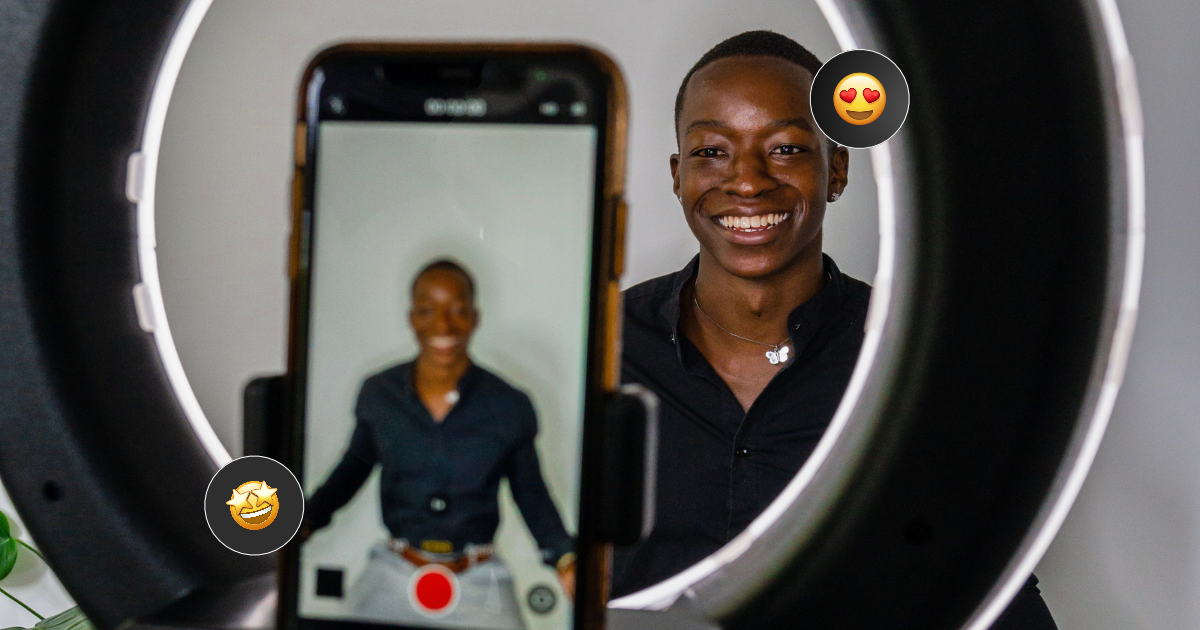
Most creators who stall are stuck in the middle. They've bought a ring light and a better phone, and their content now looks too finished to feel real and not finished enough to feel premium.
If you're on the raw side, your value is that you're real. You don't need new kit. You need to post honestly about things you actually use, and keep doing it.
If you're on the cinematic side, shooting and editing to a brand brief is production work. Your rate card should price it that way.
Talk to a campaign manager about your next brief
Sources
- Adam Mosseri, 'Authenticity after abundance', republished by 10 Minutes News for Hoteliers, 6 January 2026
- Net Influencer, coverage of Mosseri's 2026 outlook
- Dash Social, 'Breaking Down Lo-Fi vs. Hi-Fi Video Performance Across Industries', November 2022, updated April 2023
- Kantar, reported by Storyboard18, 11 July 2025
- Billion Dollar Boy, 'The Real Impact of AI on the Creator Economy', 20 November 2025
- theSalt, About
Join Webfluential and start growing your business
From micro enterprises to Fortune 500 companies, brands from over 130 countries have booked influencers on Webfluential.
Talk to our team