

May 5, 2026, 09:00
Case Study: How Zorora and Misha Levin redefined furniture marketing through creator co-creation

Murray Legg
 Add Webfluential as a preferred source
Traditionally, selling a couch is an entirely functional exercise. Consumers are often met with lacklustre showrooms, generic product catalogues and spec-sheets that leave shoppers more confused than when they arrived. It is a transactional, sometimes soulless experience devoid of any real narrative or emotional resonance. You need a place to sit; the couch provides it. But sitting isn’t just about sitting.
In the modern Creator Economy, the most successful brands understand a fundamental truth: consumers are no longer solely buying products; they are buying into storytelling, aesthetics and lifestyles.
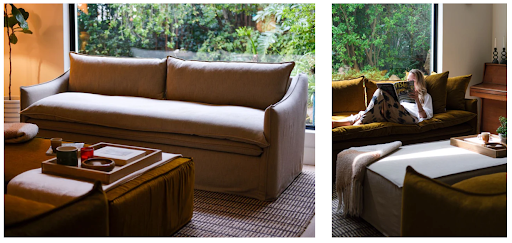
Enter the collaboration between direct-to-consumer furniture brand Zorora Sofas and digital creator Misha Levin. Together, they co-created an entirely new product line: The Zorora | Misha range.
This partnership is a masterclass in how businesses can leverage content creators to bypass traditional retail marketing, build profound emotional connections and turn a functional purchase into a highly anticipated lifestyle event. Here is a breakdown of why this co-creation campaign works and why it serves as a definitive blueprint for the future of influencer marketing:
Contextual storytelling: The renovation anchor
The smartest creator partnerships fit seamlessly into the creator's existing life and content pillars. The Zorora Misha range was born as a highly strategic piece of a much larger narrative: Misha’s extensive, beautifully documented home renovation project.
For months, Misha’s audience had been highly engaged in her renovation journey. They weighed in on paint swatches, celebrated structural milestones and shared in the stress of the construction. By the time it came to furnishing the space, creating a custom sofa was the logical, authentic next step. Because this product launch was embedded into an overarching lifestyle narrative, the audience felt like they were part of the journey, rather than the target of a sales pitch.

Humanising the process: From factory floor to living room
To announce the range, Misha released an explainer video on Instagram that perfectly captured the essence of the partnership. If you watch the video, you immediately notice what is missing: a hard sell.
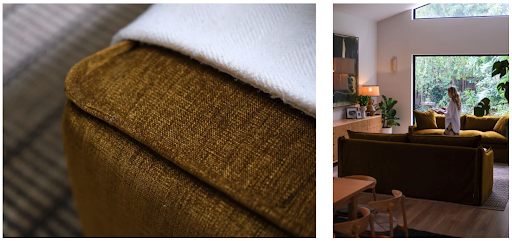
Instead of a glossy, overly-produced commercial, the audience is given an authentic, behind-the-scenes look at the co-creation process. We don’t just see a perfectly styled couch in a finished living room; we see the people, we see the factory floor. We are brought into the room where micro-decisions about high backs, deep double-seats and the selection of family-friendly slipcovers are debated, nuanced and finalised.
By pulling back the curtain, this campaign completely humanised Zorora’s design and manufacturing team. Suddenly, the craftspeople building the frames and cutting the fabric are visible. The couch transforms from a mass-produced commodity into an artisanal creation with a genesis story. This kind of transparency builds an emotional connection that traditional advertising simply cannot buy.
A strategic blueprint for small brands
There is a lingering misconception that high-production co-creation is a strategy reserved for mega-brands with bottomless marketing budgets. Zorora proves otherwise.
For smaller, boutique brands, competing with big-box retailers on price or pure search volume is often a losing game. However, a small brand can compete (and even win) on storytelling, agility and lifestyle integration.
By partnering with a creator in this unique way, Zorora tapped into an established, highly engaged community. Misha’s audience is looking to capture a piece of her design mind and curated lifestyle, not just buy a sofa. Zorora positioned themselves as a lifestyle enabler, proving that small brands can use talented creators in deeply unique, hands-on ways to share a story that punches far above its weight class.
Unpacking the commercials: Flexible financial models
For marketers and brand managers reading this, the immediate question is: How do you structure the commercials for a co-creation partnership like this?
The beauty of the creator economy today is the absolute flexibility it offers both the brand and the influencer. Co-creation allows brands to step away from the standard "Pay-Per-Post" model and explore structures that share the risk and the reward. Depending on cash flow, risk appetite and long-term goals, brands can unpack a variety of models:
- The affiliate / revenue-share model: Often the gold standard for co-creation. The creator receives a smaller (or zero) upfront design fee, but earns a percentage commission on every unit sold. This heavily incentivises the creator to market the product consistently over a long period, turning them into a true business partner rather than a once-off billboard.
- The design fee + commission hybrid: Often the sweet spot. The brand pays a modest upfront flat fee to cover the creator's time, design input, and intellectual property. On top of this, they receive a smaller affiliate commission for ongoing sales. The creator is fairly compensated for the heavy lifting of the initial design phase, while the brand still secures long-term promotional buy-in.
- The flat-fee brand ambassador / designer: The brand pays a comprehensive, upfront flat fee to the creator to act as a designer and ambassador for a set period. The brand keeps 100% of the sales revenue. If a brand is confident the product will be a massive hit, this allows them to cap their marketing costs and maximise profit margins.
By utilising these varied models, a smaller brand can secure top-tier creative talent and de-risk the process, scaling the creator's earning potential based on the actual business value they drive.
The Webfluential takeaway
The Zorora x Misha Levin collaboration is a testament to where the Creator Economy is heading and where more South African brands should be going. We are moving past the era of transactional, superficial endorsements and entering a space of deep, meaningful brand-creator integration. By allowing a creator to inject their unique story, aesthetic and vulnerability into the product development process, Zorora sold a lot more than a sofa. They sold a design philosophy, a lifestyle, an emotional connection and most importantly, they sold trust.
For brands looking to stand out in an increasingly saturated digital landscape, the lesson is clear: start co-creating your reality.
You can book Misha to work with you here, and sign up to Webfluential to explore thousands of Creators who best suit your story.
Join Webfluential and start growing your business
From micro enterprises to Fortune 500 companies, brands from over 130 countries have booked influencers on Webfluential.
Talk to our team