
October 14, 2025, 15:00
The hidden wealth we all carry
Murray Legg
 Add Webfluential as a preferred source
Walk into any boardroom today and you’ll hear the same refrain: business is harder. Attention is fragmented, trust is scarce and the digital noise is deafening. In this climate, the difference between the “haves” and the “have-nots” is no longer just a financial thing. It’s a social thing.
For too long, we’ve measured ourselves on one metric: Our bank balance. This has left many of us feeling perpetually like the “have-nots” of the economy. But with Social Capital in our pockets - what if we broadened our definition of wealth?
The ‘buzz word’ making its rounds is ‘Social Capital’: The wealth we all carry, often without realising it. Social Capital is the new ‘lights on’ for brands and creators and it can be just as powerful as financial capital. Social Capital is not about cash-in-hand purchase power; it’s about the trust, credibility and goodwill that come from genuine human connection. It’s what makes someone’s recommendation matter more than a billboard, or why a chef’s paid recipe club feels more intimate and valuable than a million-dollar ad campaign.
Think of how we transact every day. We recommend a coffee shop, share a playlist, or warn friends of bad service. At scale, those interactions become the building blocks of influence. For brands, the lesson is simple: don’t just market to the “haves.” Speak to the aspirational layer beneath: the “have-nots”. This is where desire lives. Too often marketers preach to the converted instead of those who are just outside the circle, looking for a way in.
For creators, the opportunity is extraordinary. A young South African with a mobile phone and a point of view can cut through financial gatekeepers, build a community, and attract brand partnerships that create real economic mobility. Social capital is not only an equaliser; it’s a ladder where everyone gets to play on the ‘haves’ rung.
There is a psychology to this equal playing field, if you’re willing to dive in deep. Think of it this way: discovering your own Social Capital is like finding R50 in your jeans’ pocket. It was always yours, but you didn’t know it was there. All it takes is the smile from a trusted friend’s endorsement, the conversation that sparks a new introduction or the post that moves a community – to keep depositing into your Social Capital account. Some people may spend their Social Capital frivolously. Others might hoard it. The smart ones, though, learn to invest it, compounding goodwill into influence and ultimately into opportunity.
Economist Jonas Charles Kpabitey wrote about the psychology of spending. I believe the same logic applies to building a social capital culture for brands and creators, respectively. This is not just theory. It’s a playbook for marketers and creators navigating an economy where trust is the scarcest currency. Here’s my version, I call, The Social Capital Compass:
- Earn before you spend. Just as money comes from work, Social Capital comes from consistency, showing up and delivering value before asking for anything in return.
- Compound interest matters. Repetition of small, trustworthy actions builds credibility. Over time, this compounds into a reputation that outpaces any quick viral hit.
- Diversify your assets. Don’t put your Social Capital in one place. Build it across platforms, communities, and personal interactions so your influence isn’t tied to a single algorithm.
- Protect against inflation. In a world of AI-generated noise, authenticity is the gold standard. Verification, transparency and proof of origin are how you stop your capital from being devalued.
- Spend with intention. Every time you endorse a brand, recommend a book, or rally a group, you’re “spending” Social Capital. The key is to spend it where it strengthens relationships, not erodes them.
Personally, I often use my Social Capital not for business, but for gathering. Rallying friends for a last-minute mountain bike ride or bringing people together for an adventure. The “return” is not cash - it’s connection.
How can South African brands and creators leverage Social Capital?
Since our continent has storytelling in its DNA, our Social Capital potential is massive. From oral traditions in rural villages to TikTok skits in townships, narrative has always been the way Africans trade trust and meaning. Social Capital here is community-first and algorithm-second.
South African creators don’t just sell; they co-create. They blend multiple languages, layered audiences, and heritage into influence that feels lived-in rather than staged. In a market defined by inequality, Social Capital can be the bridge. No, it won’t erase financial disparity, but it does give young creators a way to build opportunity without waiting for traditional systems to grant them permission.
The most powerful thing about Social Capital is that it’s human – and it works for everyone. It’s not stored in a vault. It’s not a number on a bank statement. It’s the lived proof that when you show up with authentic intention, the world shows up for you in return. No ‘haves’, no ‘have-nots’ – just trust and trade. And that, in the end, is the point.
5 Things Marketers Should Know About Social Capital
- It’s not about followers. Reach without trust is empty. Influence is built on credibility, before numbers.
- Consistency beats virality. Lasting capital comes from repeated trust signals, not one-hit wonders.
- Authenticity must be proven. In the age of deepfakes, verification and transparency are non-negotiable.
- Communities compound faster than ads. A loyal group of 500 can create more value than an ad reaching 50,000 strangers.
- Social capital and financial capital fuel each other. One accelerates the other. Together, they build brands that last.
Transform your marketing with the power of influence. Sign up with Webfluential now.
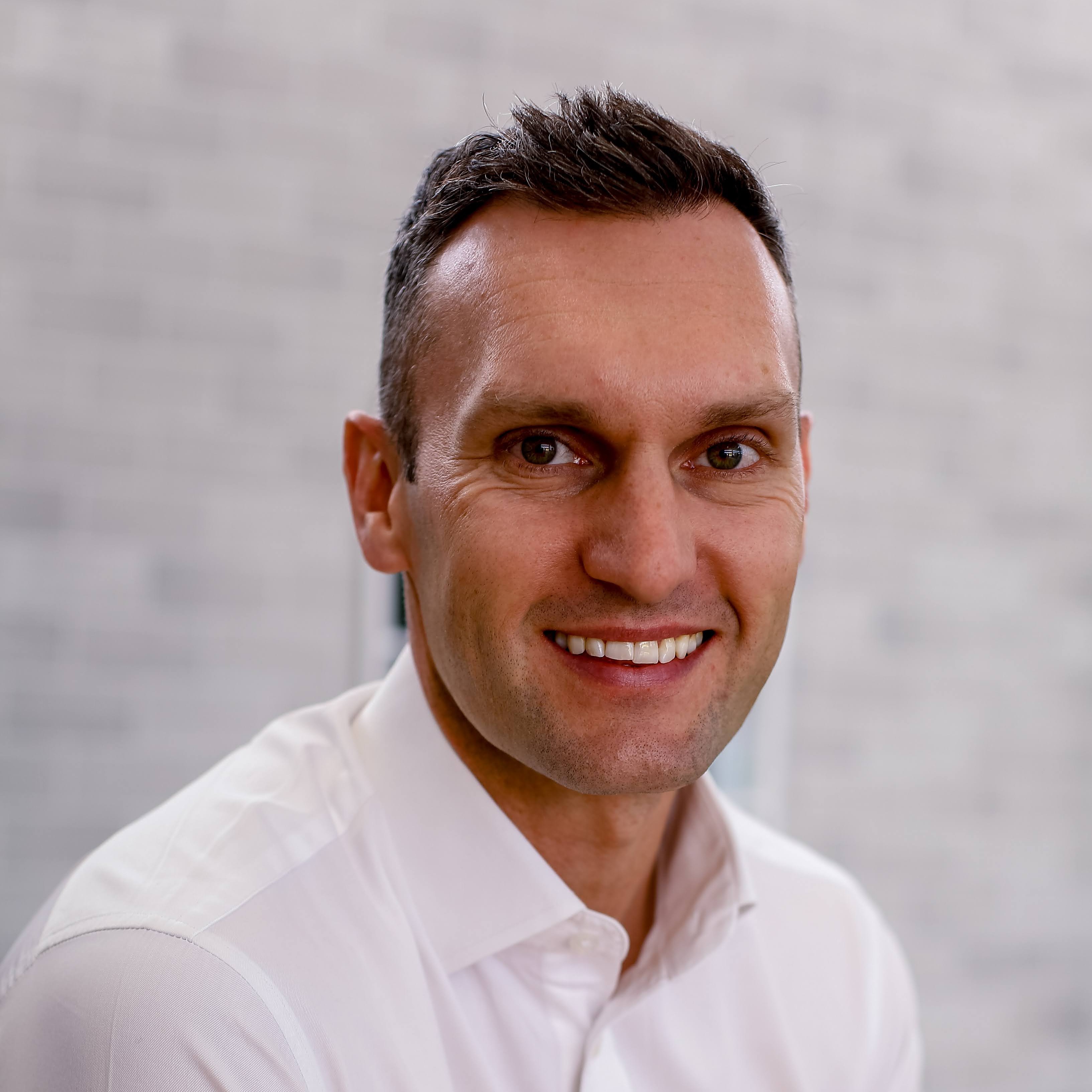
Murray Legg is the Head of Global Strategy at Influencer platform, Webfluential. Murray holds a Ph.D in engineering and leads strategic business thinking at Webfluential, focusing on its services and growth trajectory.
PRESS CONTACT:
Mantis Communications
Kerry Simpson
Tel: 079 438 3252
Email: kerry@mantiscomms.co.za
Join Webfluential and start growing your business
From micro enterprises to Fortune 500 companies, brands from over 130 countries have booked influencers on Webfluential.
Talk to our team